Evaporation
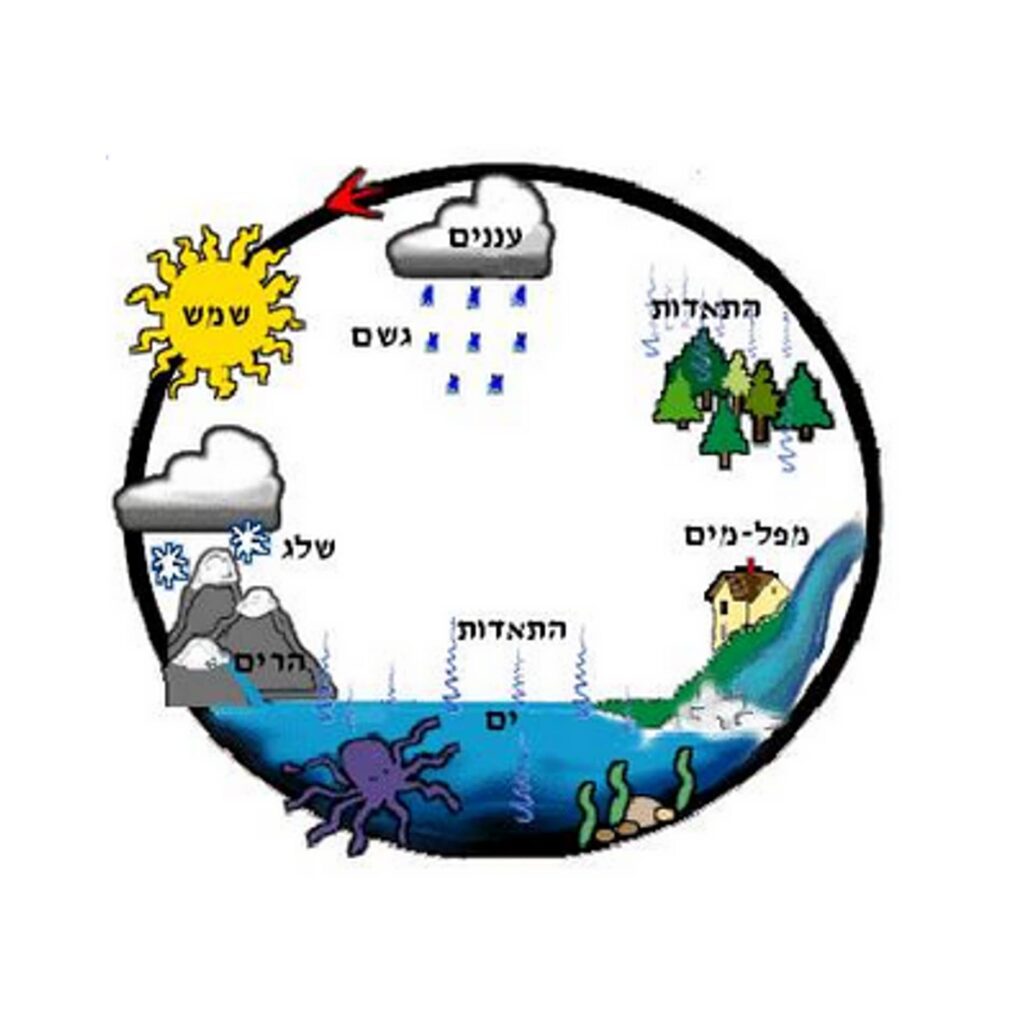
Energy from the Sun warms the Earth’s surface and heats up the water in our rivers, lakes and oceans. When that happens, some of the water “evaporates” into the air and turns into a gas called water vapor. Plants and trees also release water into the air through their leaves.
Condensation
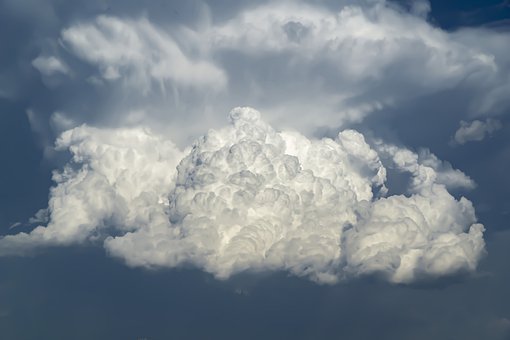
As water vapor rises high into the sky, it cools down and turns back into tiny drops of liquid that form clouds. This is called condensation. Winds high in the air carry these clouds around the planet.
Precipitation
When lots of water has condensed, the drops in the clouds become too big and heavy for the air to hold. So they fall back to Earth as rain, snow, hail or sleet. This is called precipitation.
Collection
The water that falls is then “collected” in bodies of water like rivers, lakes and oceans. Some of it falls straight into lakes, rivers or the sea.
If the water lands on plants, it may evaporate from the leaves back into the air or drip down to the ground. Some of it soaks into the soil and is taken up by plant roots, and some collects deep underground. This is called groundwater.
In cold places, precipitation can build up on land as snow, ice or glaciers. When temperatures rise, the ice melts into liquid water, which soaks into the ground or flows into rivers and the ocean. Underground water also moves slowly through the soil until it eventually reaches a river or the sea.
Then it evaporates into the air again – and the amazing water cycle starts all over!