Russia is the biggest country in the world, covering more than a ninth of all the land on Earth. It stretches across two continents (Europe and Asia) and has coastlines on three oceans: the Atlantic, the Pacific and the Arctic.
Russia’s landscape ranges from sandy and frozen deserts and high mountains to giant swamps. In the far north is the tundra – cold, treeless land where the ground stays frozen. Farther south are huge grassy plains called steppes. Siberia, which covers about three quarters of Russia, is mostly covered by vast pine forests called the taiga.
Russia has about 100,000 rivers, including some of the longest and mightiest in the world. It also has many lakes, including Ladoga and Onega (the two largest lakes in Europe) and Lake Baikal, which holds more fresh water than any other lake on Earth.
Because Russia is so huge, it’s no surprise that this amazing country is home to many different habitats and species. Its steppes and forests are home to many rare animals, including Asian black bears, snow leopards, polar bears and small rabbit-like mammals called pikas.
Russia’s first nature reserves were created over a hundred years ago. Pollution has harmed many wild places, so strict nature reserves were set up to help protect and restore the country’s natural beauty.
Russia’s most famous animal is the Siberian (Amur) tiger, the biggest cat in the world. These endangered giants live in the forests of eastern Russia and can grow to over 3 meters long, including the tail, and weigh up to about 300 kg.
Long ago, a state centered on the city of Kyiv, called Kievan Rus, ruled much of the region. It was a powerful state for about 200 years, and later broke apart; the lands that grew out of it include today’s Ukraine, Belarus and Russia.
The Soviet Union, which Russia was part of, fought on the same side as the United States in World War II. But soon after the war ended in 1945, relations between the two superpowers and their allies became tense, leading to what is called the Cold War. The Cold War ended in 1991, when the Soviet Union broke up into 15 separate countries, including Russia.
About 190 ethnic groups live in Russia, speaking more than 100 languages.
Its economy is based on huge supplies of natural resources, including oil, gas, coal, iron ore, gold and aluminum.
Mount Elbrus in the Caucasus Mountains:
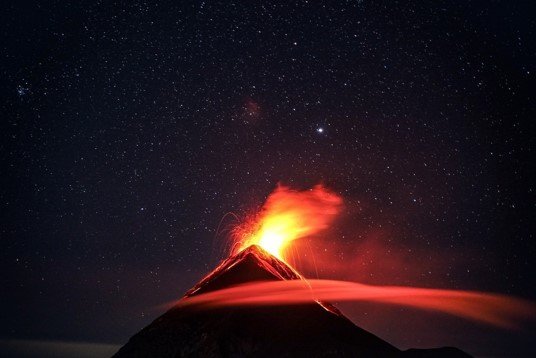
It’s the highest mountain in Europe, with its peak at 5,642 meters. It’s a dormant volcano and attracts mountain climbers and adventure lovers. Cable cars carry visitors up to about 3,800 meters.
The Kremlin:
One of the must-see sights in Moscow is the Kremlin (the name means “fortress”), the official home of Russia’s president. It’s a fortified historic site in the heart of the capital, with government offices, ancient cathedrals and museums, and it overlooks Red Square.
Lake Baikal:
A freshwater lake in southern Siberia. It’s the deepest, oldest and one of the clearest lakes in the world. In winter it freezes over and looks special and beautiful, with ice so clear you can see through it.
The Hermitage in St. Petersburg:
The biggest museum in Russia and one of the most important art museums in the world. Over the years it has collected millions of items, displayed in several buildings – the main one is the Winter Palace, on the bank of the Neva River, which was once the home of the Russian emperors (tsars). The museum is so big you could wander through it for days.